
Komodo Island: Land of the Last Dragons
A traveler’s guide to Indonesia’s most prehistoric destination
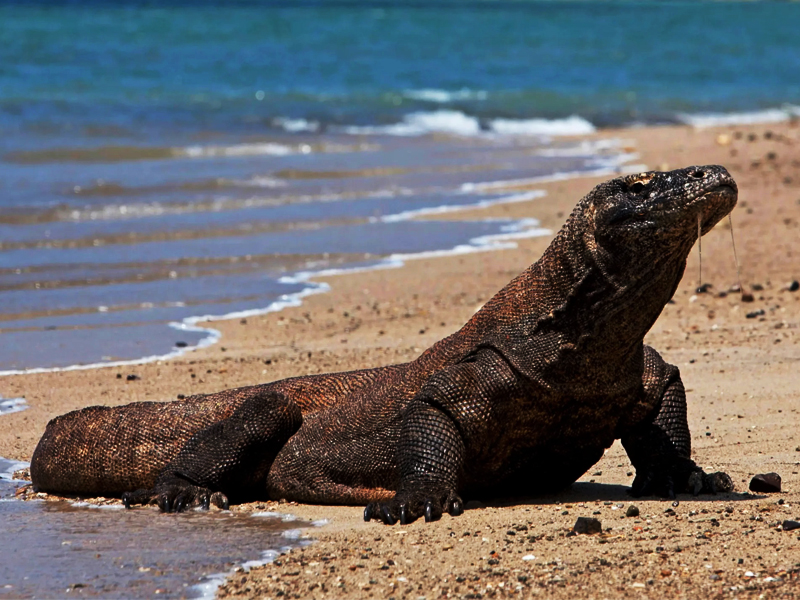
Imagine stepping onto a beach where a living relic of the age of reptiles lazily crosses your path. This is not a movie set. This is Komodo Island, a rugged, sun-baked corner of eastern Indonesia where the world’s largest lizard still rules its ancient territory. Part of Komodo National Park, the island is a place of dramatic hills, turquoise bays, and wildlife found nowhere else on Earth.
Where Is Komodo Island?
Komodo Island sits in the Lesser Sunda archipelago of East Nusa Tenggara, between the larger islands of Sumbawa and Flores. Together with Rinca, Padar, and dozens of smaller islets, it forms Komodo National Park, which was established in 1980 to protect the dragons and their habitat. In 1991 the park was inscribed as a UNESCO World Heritage Site, recognized for its unique wildlife and its spectacular land and marine scenery.
Most travelers reach the park from Labuan Bajo, a small fishing town on the western tip of Flores. The town has an airport with flights from Bali, Jakarta, and other Indonesian cities, and it serves as the gateway for boat trips into the park.
Meet the Komodo Dragon
The Komodo dragon (Varanus komodoensis) is the undisputed star of the island. Adult males can grow to around three meters in length and weigh up to 70 kilograms or more. They are powerful hunters with strong legs, sharp claws, serrated teeth, and a forked tongue that they flick constantly to taste the air and track prey from a great distance.
Dragons feed on deer, wild boar, birds, and carrion. Their bite delivers venom that lowers blood pressure and prevents clotting, helping them subdue animals much larger than themselves. Despite their size, they can sprint in short bursts and are surprisingly good swimmers. Today, only a few thousand remain in the wild, which is why the park’s protection is so important.
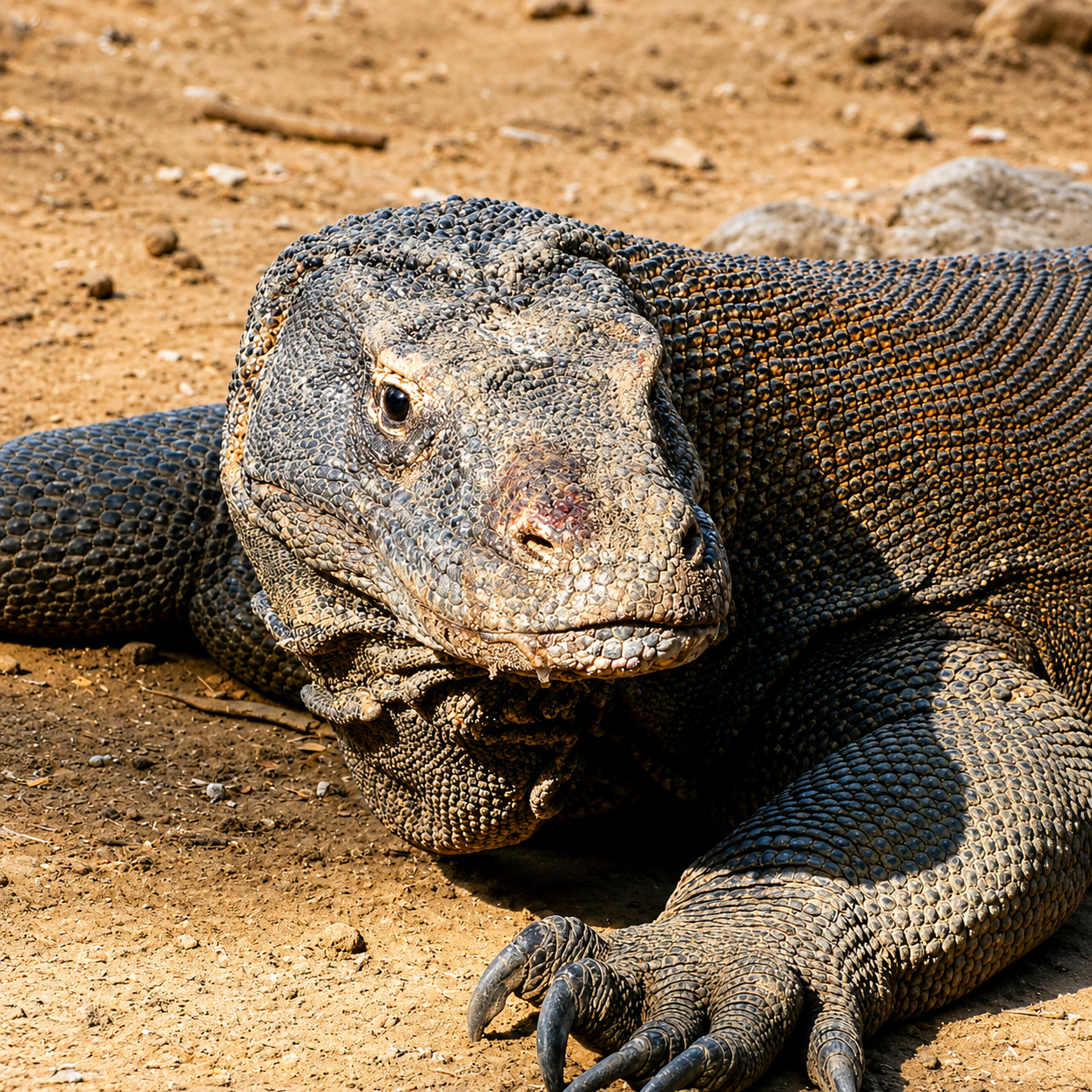
Seeing a Komodo dragon in the wild feels like traveling back millions of years.
A Landscape Unlike Anywhere Else
Komodo’s scenery is a striking contrast to the lush tropical image many people associate with Indonesia. The islands are volcanic, dry, and rugged. Golden savannah grass covers the hills for much of the year, dotted with lontar palms and hardy scrub. The dry climate is one reason the dragons have thrived here, along with the abundance of prey and the lack of large predators.
Yet just beyond the shore, the landscape changes completely. The surrounding waters are part of the Coral Triangle, the most biodiverse marine region on the planet. Reefs, seagrass beds, and strong currents create ideal conditions for an astonishing variety of life.

The Famous Pink Beach
One of the park’s most photographed spots is Pink Beach, located on Komodo Island. Its sand gets its soft rosy tint from tiny fragments of red organ-pipe coral mixed with white sand. When the light is right, the shoreline glows in shades of blush against the deep turquoise water.
Pink Beach is also a fantastic snorkeling site. Just a few steps from the sand, you can float above colorful coral gardens filled with reef fish, sea turtles, and countless other creatures. It is the perfect place to cool off after a hot morning of trekking.

Beyond Komodo: Rinca and Padar
A visit to Komodo National Park usually includes more than one island. Rinca, a short boat ride from Labuan Bajo, offers excellent trekking and a good chance of seeing dragons in a more compact area. Rangers lead small groups along well-marked trails, explaining dragon behavior and keeping everyone at a safe distance.
Padar Island is famous for its panoramic viewpoint. A steady climb of around 30 to 45 minutes rewards hikers with a breathtaking view of curving bays with sand in different colors. Sunrise is the most popular time to make the climb, when the air is cooler and the light turns the hills golden.

Underwater Wonders
Diving and snorkeling here rank among the best in the world. Visitors can encounter manta rays gliding through the channels at spots such as Manta Point, along with reef sharks, eagle rays, turtles, and enormous schools of fish. Strong currents mean some sites are best for experienced divers, but there are calm snorkeling areas suitable for beginners and families.
Practical Travel Tips
- Best time to visit: The dry season, from April to December, offers calm seas and sunny skies.
- Getting there: Fly to Labuan Bajo, then join a day trip or a multi-day liveaboard boat tour.
- Always hire a ranger: Guides are mandatory on the islands for your safety and for the dragons’ protection.
- Stay safe: Keep your distance, never feed wildlife, and follow the ranger’s instructions.
- What to pack: Sun protection, a hat, comfortable walking shoes, plenty of water, and a reef-safe sunscreen.
- Check fees: Entrance and activity fees change from time to time, so confirm current prices before you go.
Traveling Responsibly
Komodo National Park is a fragile ecosystem. Visitors can help by taking all trash with them, avoiding single-use plastics, staying on marked trails, and choosing tour operators that respect park rules. Supporting local guides, family-run guesthouses, and village businesses in Labuan Bajo also helps ensure that tourism benefits the communities who live alongside the park.
Final Thoughts
Komodo Island is more than just a place to see a giant lizard. It is a journey through a wild, ancient landscape where land and sea are equally spectacular. Whether you are watching a dragon stride across the sand, climbing Padar at sunrise, or drifting above a coral reef at Pink Beach, the experience stays with you long after you leave. If you dream of adventure far from the ordinary, Komodo deserves a place at the top of your list.